


Why the NRPA Annual Conference Makes Me Smile
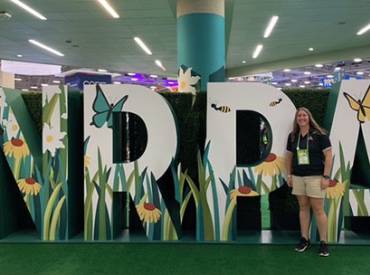
By Trista Taylor, CPRP, CPO | Posted on June 8, 2026
If there’s one thing Trista Taylor has learned, it’s that some of the most impactful experiences at the NRPA Annual Conference happen in the moments you never plan for.

Finding Magic at the NRPA Annual Conference
By Ashley Faulcon, MPA, CPRP | Posted on June 4, 2026
For those who live and breathe parks and recreation, the NRPA Annual Conference isn’t just another conference — it’s a return to the magic that started it all.
The Power of Partnerships
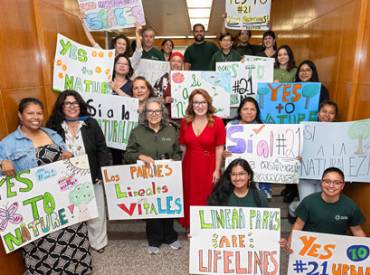
By Clement Lau, DPPD, FAICP | Posted on June 3, 2026
Partnerships are playing an increasingly important role in helping park agencies meet growing public expectations and community needs. Los Angeles offers several examples of what these partnerships look like in practice.

From Fireworks to Funding: Turning a Fourth of July Event Into a Regional Impact Engine
By Brandon D'Alimonte | Posted on June 2, 2026
Planning your Fourth of July celebration? At its best, it can do more than bring people together for a single evening. It can serve as a platform for investment, inclusion and measurable community impact.

The Power of CAPRA Accreditation — Episode 178
By Cara Myers and Cort Jones | Posted on May 26, 2026
On the latest episode of Open Space Radio, we explore how CAPRA accreditation is shaping the standard for park and recreation agencies, leadership and communities across the country.

Celebrating Community: The Impact of Park and Recreation Month
By Alexandria Arnold | Posted on May 21, 2026
In Excelsior Springs, Missouri, the guiding motto is simple: Start with play, have fun, make memories. That mindset has helped grow their Park and Recreation Month celebrations into something the community looks forward to each year.

My First NRPA Annual Conference: Learning, Connection and a Lot of Fun
By Lacey Polster | Posted on May 6, 2026
Lacey Polster, marketing and communications specialist at Grayslake Community Park District in Illinois, shares her first-time conference experience and why it set a high bar.
Curating Spaces for Wonder in Oxford, Alabama
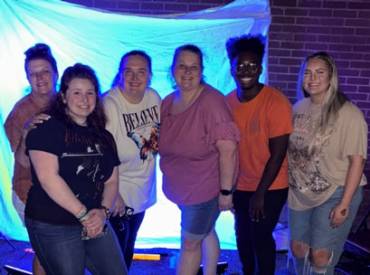
By Ashley Bias, CPRP | Posted on May 5, 2026
In Oxford, Alabama, the Parks for Pollinators BioBlitz gives the community ongoing opportunities to explore, discover and connect with nature.

Highlighting The Power of Youth Sports in Philadelphia
By Allison Colman | Posted on May 4, 2026
Join us for the first-ever Youth Sports in Parks and Recreation Summit at the 2026 NRPA Annual Conference in Philadelphia as we rally around the power of parks and recreation in creating transformative sports experiences for young people.

Reclaiming Space for Community, Recreation and Respite
By Clement Lau, DPPD, FAICP | Posted on May 1, 2026
Finding land for new parks is becoming one of the biggest challenges facing urban communities. Rather than relying solely on vacant parcels, agencies are reclaiming land shaped by legacy infrastructure, industrial uses and public systems.
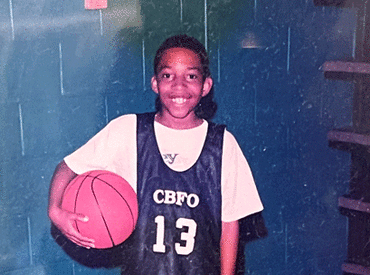
From Tears to Confidence: Taking Back Youth Sports
By Justin Taylor | Posted on April 22, 2026
A childhood coaching moment shows how the right support can turn self-doubt into confidence, and why initiatives like ESPN's Take Back Sports are helping equip more coaches to do the same for today’s youth.

The Power of Understanding the World Around Us — Episode 177
By Christina High and Cort Jones | Posted on April 21, 2026
On this episode of Open Space Radio, we’re joined by Erica Flocke, parks and recreation director for the City of Wimberley, Texas, to talk about how the Texas Master Naturalist program has shaped the way she sees her work and her community.
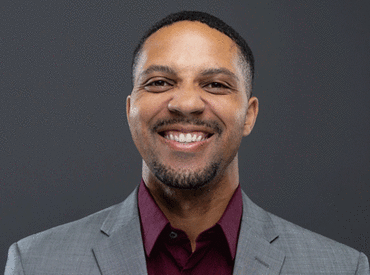
My First NRPA Annual Conference: Magic, Nerves and Five Seconds of Courage
By Brandon Washington, MPA, CPRE | Posted on April 13, 2026
Brandon Washington shares his first NRPA Annual Conference experience and his decision to give himself five seconds of courage when it felt overwhelming.

Supporting the Strength of Military Families Through Mentorship and Golf
By Dr. Thelma Tennie | Posted on April 10, 2026
Carter's Spectrum Golf Mentoring Program is proud to celebrate military children who demonstrate remarkable resilience every day, and is committed to supporting their growth both on and off the course.
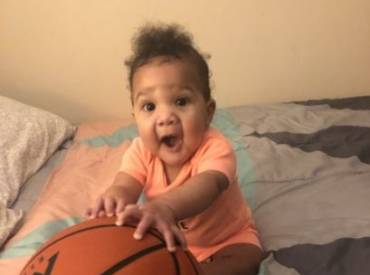
I Raised Her to Love the Game — Now I Need the Game to Love Her Back
By Brian McFadden | Posted on April 2, 2026
When park and recreation professionals build a girls-only program, it isn't just filling a gap in a schedule. It’s sending a message that girls belong here, that their development matters and that the community has invested in their future.

The Power of Camp
By Jamie Bass, CPRP | Posted on March 18, 2026
After working as a counselor, camp director, and camp manager — as well as being a parent of a young camper — Jamie Bass knows the importance of summer camp for kids, especially in today's world.

Theme Parks, Public Parks and the Power of Place
By Clement Lau, DPPD, FAICP | Posted on March 18, 2026
Public parks do not need to replicate the scale or spectacle of a theme park to remain relevant. Their strength lies in accessibility, authenticity and everyday connection.

The Power of Your Stories: Inside the Park and Recreation Month Cover Contest — Episode 176
By Cara Myers, Christina High and Cort Jones | Posted on March 3, 2026
With submissions now open for this year’s Park and Recreation Month Cover Contest, this episode of Open Space Radio looks back at a few stories from last year that stayed with us.