


I still remember my first summer as a camp counselor two decades ago at an all-girls camp near Asheville, North Carolina. The camp needed someone to teach tennis, and a friend of mine reached out. Since I loved playing and coaching, it felt like a perfect opportunity. I would get paid to have fun and work with kids. It seemed like a no-brainer! Little did I realize that my choice to work at camp would completely transform my life and career path.
One thing that stands out from my summers at camp was our executive director coming to chat with us during staff training. He talked about the huge responsibility we had as camp counselors. We were in charge of a parent's most treasured possession: their child. He also mentioned that we would see most of our campers more than their parents would, as many parents used day camp as a form of childcare. But he also pointed out that we could make a real difference in the lives of the children we served.
Fast forward 20 years — after working with camps as a counselor, camp director, and now as a camp manager with the Alachua County Parks and Open Space department, as well as being a parent of a young camper — I truly grasp the purpose and importance of summer camp for kids, especially in today's world.
Those of us managing camp programs know it’s no walk in the park. Juggling daily tasks, hiring top-notch seasonal staff, booking field trips — the list just keeps going. In all the hustle, it’s easy to overlook how crucial summer camp is in a child's life.
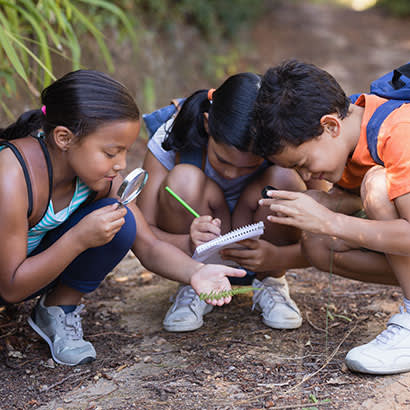
Parents and caregivers are more aware than ever of the benefits of the camp experience. They want their kids outdoors — unplugged, learning new skills and making real-life friendships.
Summer Camp is truly one of a kind, and YOU play a big part in making that happen. Sure, it’s packed with fun and new adventures, but more importantly, it’s a key piece of the year-round educational journey, enhancing experiences that build on what kids learn during the school year — like making new friends, developing life skills, and exploring ideas in exciting, hands-on ways. Social interaction boosts their confidence, speaking skills and emotional intelligence. Plus, the physical games keep them active until gym class kicks back up in the fall.
Since many campers return summer after summer, camp also becomes a spot to reconnect — not just with familiar faces, but with a growing group of friends outside of school. These connections, built through shared experiences and creativity, help kids broaden their social circles and gain confidence in new environments.
I think about campers who learned to swim or who faced their fears of meeting new people because they attended camp. I’m sure we all have stories or faces that pop into our minds. I remember a camper named Ted, who was hesitant to try new activities and even got into scuffles with other boys throughout the summer, but by the last day of camp, he was in tears because it was all coming to an end. Then there’s James, who feels safe to just be himself at camp. Or Sarah, who arrived sad every day after drop-off but was jumping out of the car by the end of summer.
In the midst of planning, hiring and all the craziness, don’t forget the POWER of it all — what camp means, builds and creates in a child’s life.
Jamie Bass, CPRP, is the camp manager of Cuscowilla Nature and Retreat Center with the Alachua County Parks and Open Space Department in Micanopy, Florida.