


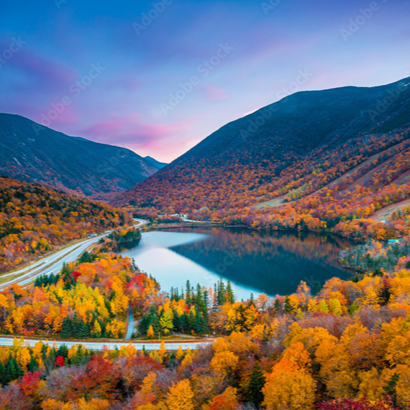
Pictured: White Mountain National Forest covered in colorful foliage. Photo courtesy of Adobe Stock
What happens when the Land and Water Conservation Fund (LWCF) and advocacy groups come together to protect forest-based industries and support the local outdoor recreation economy? New Hampshire’s White Mountain National Forest (WMNF) serves as the perfect example.
WMNF is a major recreational hub, featuring 1,200 miles of hiking trails, 400 miles of snowmobile trails, 175 trailheads and 23 developed campgrounds, all within a day's drive of Boston, New York City and Montreal. Forest-based industries and tourism are vital to New Hampshire's economy, quality of life and cultural identity. Community members and their governmental partners are committed to ensuring WMNF can sustainably support all stakeholders who depend on its resources by managing the land and supporting working forestland through LWCF investments.
Access for All
LWCF is a federal grant available to eligible local and state government entities to acquire or develop outdoor recreation areas and facilities. For more than 60 years, LWCF has been strengthening communities and protecting America’s public lands by improving access to outdoor spaces. Since 1965, nearly $100 million of LWCF grant funds have been distributed to all ten counties in New Hampshire for public outdoor recreation projects.
“The Land and Water Conservation Fund is the only national mechanism to fund permanent protection of ‘close-to-home’ recreation, and that is where the customer base lives, so Forest Service LWCF acquisitions, like those in the White Mountains National Forest, absolutely have a direct impact on our local economies in New Hampshire and across the country,” says Will Manzer, former CEO of Eastern Mountain Sports.
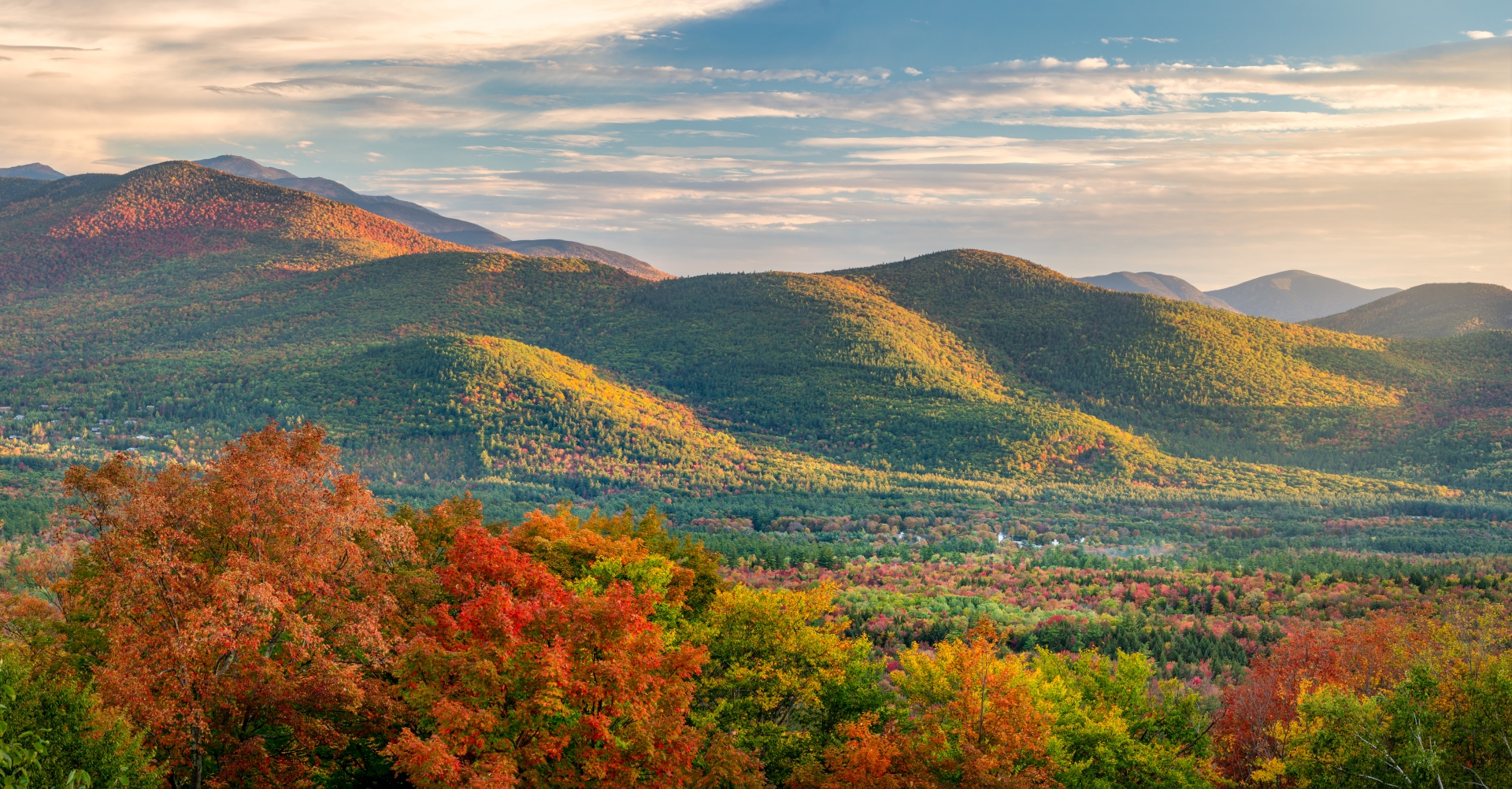
Pictured: Autumn sunrise in the White Mountain National Forest. Photo courtesy of Adobe Stock
Forest-based recreation and tourism are significant drivers of the New Hampshire economy. WMNF offers myriad activities, including camping, snowmobiling, fall foliage viewing and wildlife viewing. Since 1995, the U.S. Forest Service has completed 20 LWCF land acquisitions in WMNF specifically to maintain and enhance these high-value recreational opportunities, ensuring a steady stream of visitors.
Between 2002 and 2012, the Forest Service invested $8.58 million in LWCF dollars to acquire and protect 13,000 acres of critical access points and iconic recreational sites within WMNF. The Sylvan Way project secured public pedestrian access to the Presidential Range, the highest mountain range east of the Mississippi and north of the Smoky Mountains. Other purchases safeguard key areas, including Owl's Head, which is near the Appalachian Trail and protects a cliff popular for rock and ice climbing, and land around Lake Tarleton, which provides access for fishing and other recreation activities. This effort worked alongside significant LWCF-funded Forest Legacy Program conservation easements, which helped safeguard nearby working forests. Due to its vital role in supporting New Hampshire's environment and the small businesses that rely on public lands, there is strong, continuous support for LWCF appropriations in the Granite State.
Promoting Health and Well-Being
In 2003, WMNF utilized $1.06 million in LWCF funds to acquire the 3,200-acre Pond of Safety, which directly supports the local timber and outdoor recreation industries. Beyond its cultural and historical value, the Pond of Safety supports various outdoor pursuits, including hunting, fishing and trapping. Its extensive trail network — made possible by LWCF funding — is used for hiking, cross-country skiing and snowshoeing.
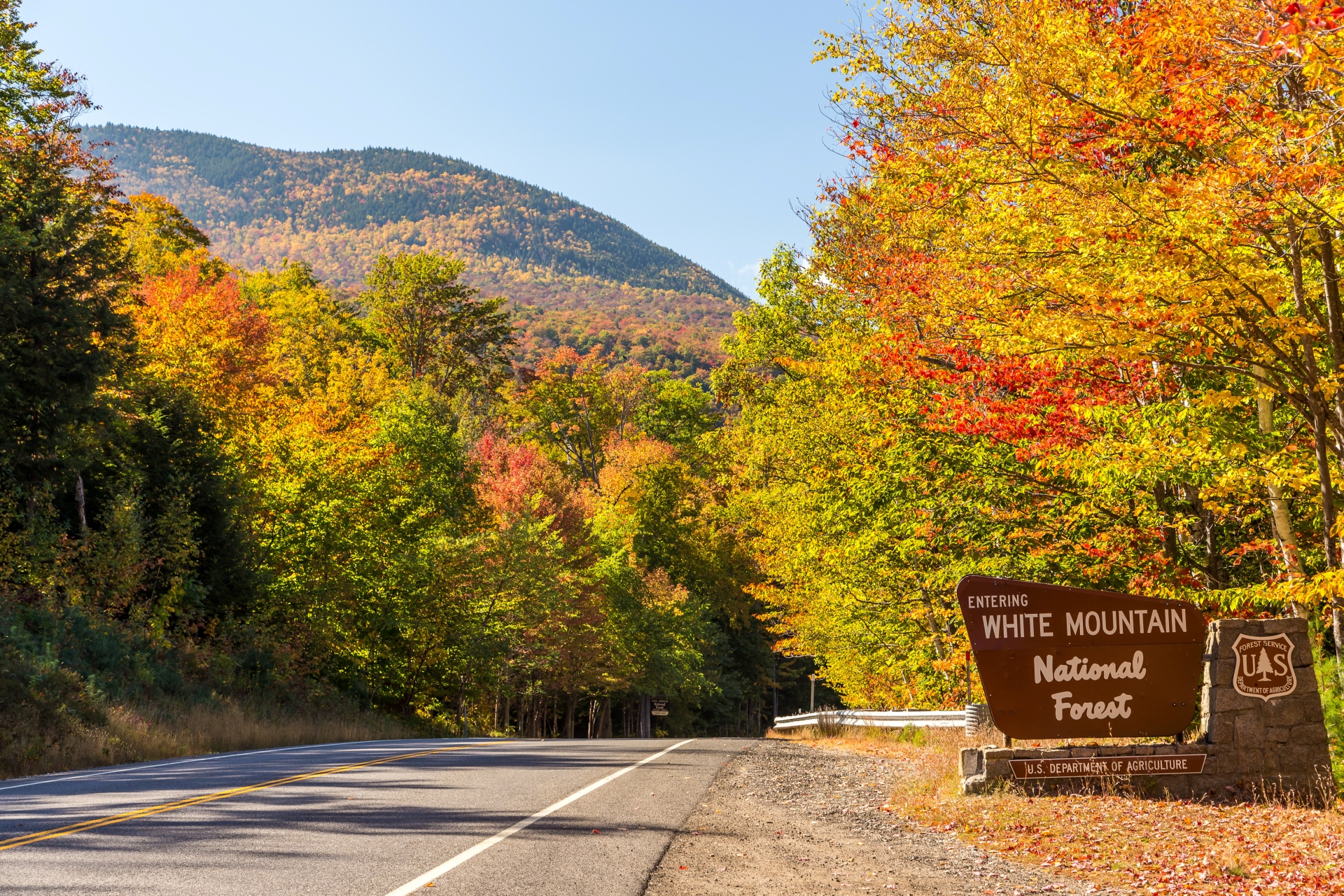
Pictured: Colorful fall foliage entering WMNF. Photo courtesy of Adobe Stock
“It is a tremendous asset to have these lands protected but maintained as working forestland that contributes to the local economy,” says John Scarinza, chairman of the Coos County Planning Board and Randolph Forest Commission. “We don’t have the road network or other assets that the southern part of the state has, but what we do have is people [who] want to live and work here. The protection of forests, and working forests specifically, will allow the forest-based economy in northern Coos County to continue into the future.”
LWCF acts as the foundational funding strategy for land protection, directly enabling the outdoor recreation economy in New Hampshire and across the country. By funding acquisitions like those in WMNF and securing recreational access, LWCF ensures the maintenance of tourism and economic opportunities that are so crucial to the area's residents. Continued LWCF funding is vital to securing this economic benefit well into the future.
To apply for LWCF funding, contact your state administrator.
Kaitlyn Brodie (she/her) is a government affairs specialist at NRPA.
Related Sources:
- How U.S. Forest Service LWCF Program Acquisitions Impact Communities in Six Case Studies (The Trust for Public Land)
- More than $1 million in Land and Water Conservation Funds awarded to NH communities for outdoor recreation projects (New Hampshire Department of Natural and Cultural Resources)