


A simple search during my first months with Oxford Parks and Recreation changed everything. I was looking for a way to create something meaningful around nature — something that would truly engage my community.
NRPA introduced me to the Parks for Pollinators BioBlitz. This nationwide initiative encourages communities to document pollinators such as bees, butterflies and bats, while engaging in hands-on learning and observation. I was hooked! I created two events for the month of September: Pollinators in Focus and Moths in the Moonlight. Using NRPA’s graphics, guides and educational materials gave me the confidence to move quickly!
After each event, I found myself reflecting on my childhood. As a kid, I spent countless hours in the garden with my Mimi, feeling the dirt between my fingers and toes, observing tiny insects and plants, and marveling at the intricate details of the natural world. Back then, I felt enormous in the midst of nature, when in reality, I was just a small part of something vast and alive.
Hosting the BioBlitz in our community reminded me of that feeling — the excitement of discovering and documenting hidden life all around us. It reinforced why park and recreation programs are so important. They give people of all ages the chance to slow down, step outside and reconnect with that childlike sense of wonder. I saw the same joy in attendees at Pollinators in Focus and Moth Night.
With Pollinators in Focus, my primary goal was education, but I wanted to make it approachable, vibrant and fun. I wanted people to understand what pollinators are, why they matter, and why they should care about creatures like bees, beetles, bats and butterflies. At the same time, I knew that creating a sense of excitement and discovery would be just as important, especially for younger participants.
I set up the event to appeal to different learning styles. I included visual displays, vibrant photos, and a chart showing the surprising variety of pollen colors — something that even I hadn’t fully appreciated before hosting this program. We also had an “Adopt a Bee” station and pollinator-themed coloring sheets for the kids, so there were some playful, hands-on activities that everyone could enjoy. I kept a fact sheet handy and loved sharing something with everyone who stopped by.
I partnered with a local business to provide a pollinator-themed door prize. This added an extra layer of excitement and encouraged participation, and it was incredibly well-received by the community. More importantly, it strengthened our relationship with local businesses and demonstrated how environmental programming can bring different parts of the community together in meaningful ways that you wouldn’t expect!
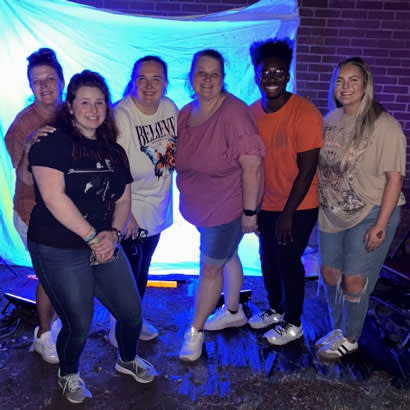
Moths in the Moonlight was a nighttime program designed to explore and observe moths in their natural environment. We used white sheets paired with both regular and black lights, which proved highly effective. Throughout the evening, our community was excited to see the variety of pollinators and insects we attracted — some large, some small, all equally captivating! To enhance the experience, we created small brochures featuring facts about Alabama moths and their important role in pollination, giving participants something tangible to take home and continue learning.
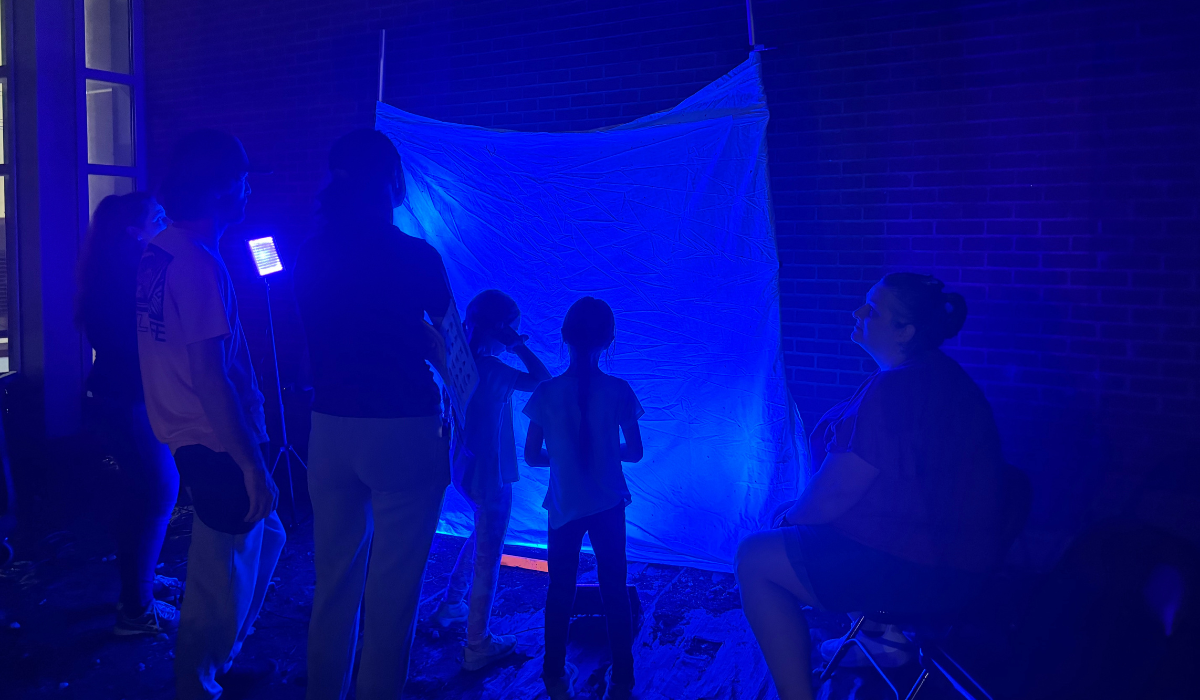 Pictured: Participants study moths and other insects drawn to their set-up at "Moths in the Moonlight." Photo courtesy of City of Oxford, Alabama.
We were able to document 893 species, for a total of 3,171 observations, marking a strong and exciting start for our first BioBlitz! We connected with community members and local leaders to showcase the value of community science, environmental awareness, and engagement.
These programs have already begun to make a lasting impact on our community. They’ve helped me build connections with gardeners, environmental advocates, local businesses, extension offices, and even university partners. One of those connections led me to engage with UGA Agriculture and attend a fungi conference, where I gained valuable knowledge and resources that will directly shape future environmental programming.
The most exciting outcome is that this fall, I’ll be launching a new series of environmental programs for both children and adults, covering topics like fungi, birds, insects, and pollinators. This growth all started with a simple search that turned up the right resources. We’ll also be continuing the tradition of the Parks for Pollinators BioBlitz for years to come, giving the community ongoing opportunities to explore, discover, and connect with nature.
In today’s world, I want everyone in my community to have a place, program or event where they can lift the weight of the world off their shoulders, a place where they only need to be themselves, explore, and wonder. These experiences can be truly transformative. At its core, this work is about connection, bringing people closer to nature, to one another, and to that sense of wonder that never truly fades.
Ashley Bias, CPRP, is the recreation and events manager at Oxford (Alabama) Parks and Recreation Department.