


Imagine a group of kids in downtown Auburn, Maine, playing basketball with rocks. Not a ball in sight — just rocks and a rim and the kind of resourcefulness that only comes from need.
That image stuck with the city’s leadership. It became the seed of something bigger.
In 2010, both the City of Auburn’s police chief and Grant Manager Rita Beaudry recognized that more than 25 percent of the total annual police calls for service were happening in a 0.5-mile stretch of downtown. Unfortunately, a majority of crimes leading to these calls were committed by community members under age 20, against their peers.
The police chief, Beaudry and other city leaders didn’t respond with more enforcement. They responded with a building.
Community leaders approached the city council to request that a vacant downtown building be converted into a Police Activities League (PAL) Center. Once approved, the project took three years to complete the renovation of the 800-square-foot center.
What started as a program for grades 4-6 quickly outgrew its own assumptions. Older kids started showing up with their younger siblings in tow, because someone had to watch them while parents and grandparents worked. The city didn’t turn them away. It changed its programs to meet them.
By 2024, the Auburn PAL had received a grant, and the city council allocated the remaining funds needed to build a larger facility with a full-sized gym, dedicated teen space, community rooms, and expanded programming. When the new building opened in September 2025, it was drawing 90 to 100 youth a day. The City of Auburn’s youth mentoring grant through NRPA and OJJDP allowed for the support of additional programmatic activities like karate, basketball, volleyball, instructional soccer, teen chefs, arts/crafts and more.
Since that merger, they have seen continued success in keeping youth engaged in school, reducing crime and keeping young people out of the justice system. This partnership has flourished into a successful youth mentoring program, ensuring that young people have a safe space and trusted adults to support their well-being.
North Little Rock, Arkansas, Hosts Youth Sports Through Police Athletic League
Meanwhile, in North Little Rock, Arkansas, a different version of the same idea has been quietly running since 1998.
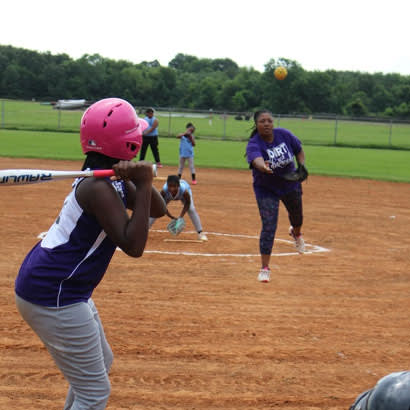
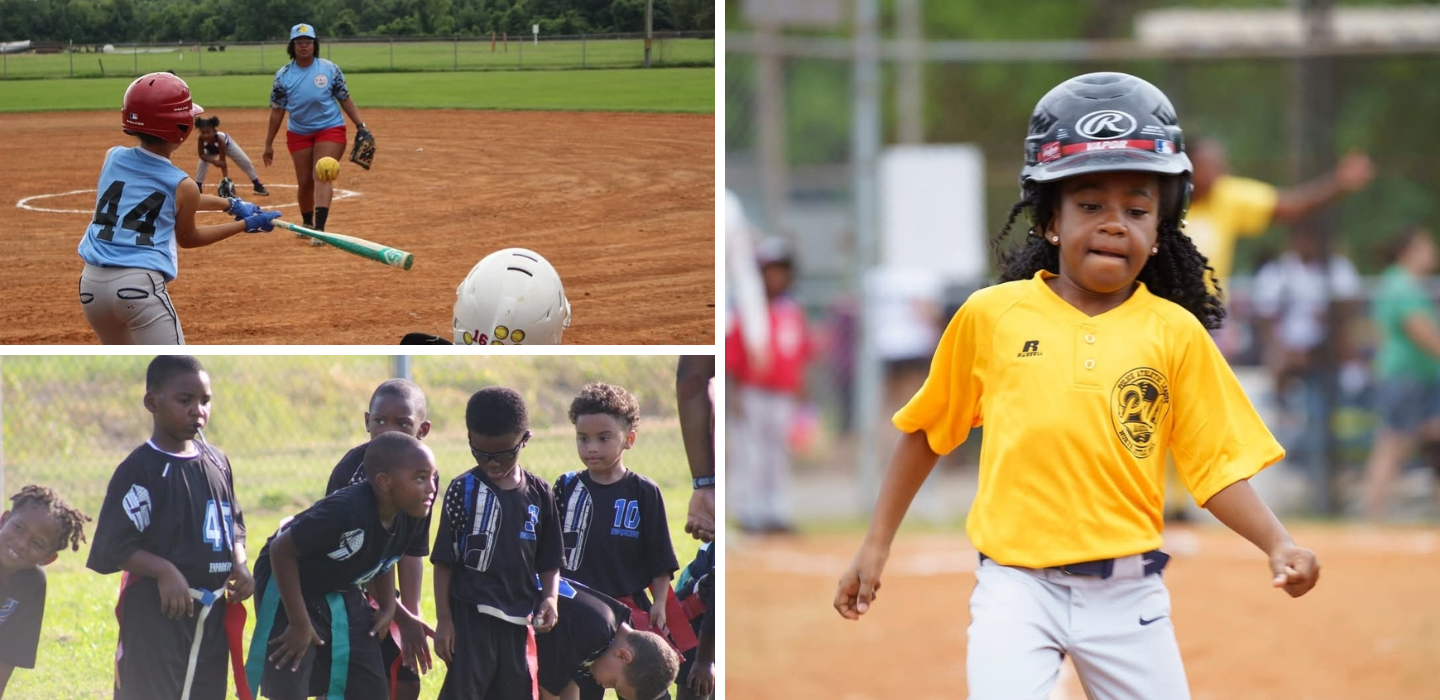
The city’s parks and recreation department didn’t have the staff to run robust youth programming on its own. The police department’s Police Athletic League (PAL) had the people, but not the infrastructure to host sports. So the two departments made a deal. The parks department provides the fields, the facilities and the career mentors and the PAL provides sports coaches and assists with routine park maintenance — a model worth replicating. PAL has used sports coaching to build positive relationships between youth and law enforcement through their LIFE Program, serving more than 350 youth ages 4-18 every year in North Little Rock through no-cost participation in softball, baseball, kickball, flag football and life-readiness mentorship. This exchange expands program capacity for both partners and, importantly, increases opportunities for youth to build positive relationships with law enforcement officers in their community.
What distinguishes the LIFE Program is its equal emphasis on career and life readiness alongside athletics. Mentoring sessions feature speakers selected based on the unique interests of participating youth, and attendance is mandatory: miss a session, miss your next game. Park and recreation staff and other volunteers who serve as career mentors expose youth to technical trades and professional pathways in the field. Teen participation in the program has grown as a result. The message is clear: showing up for yourself matters as much as showing up for your team.
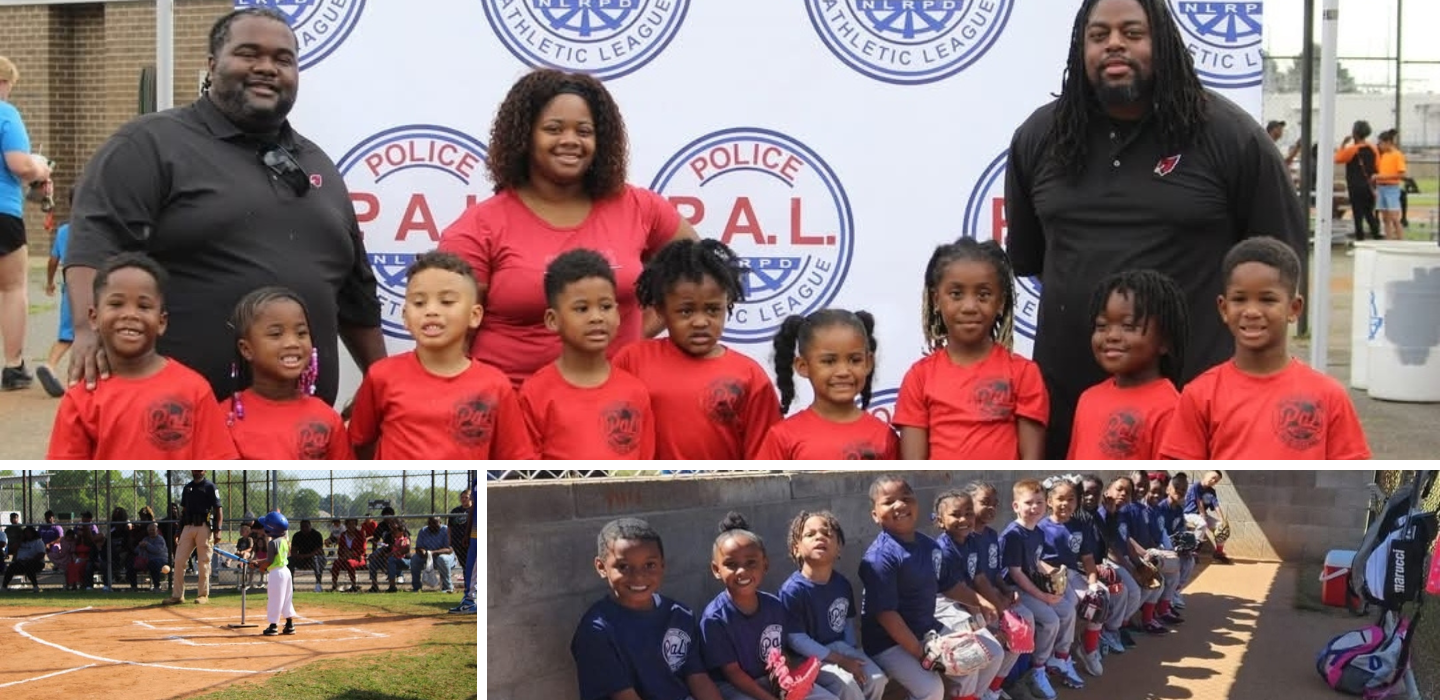
Replicating this model requires early investment in relationship-building across both entities and continued buy-in from the community. But the results speak in the kind of numbers that matter. Academic performance among participants has improved measurably. Youth report a greater sense of safety and community responsibility, and for North Little Rock, at least 12 program alumni have returned as coaches or volunteers. The kids who were once being served are now doing the serving because they have witnessed firsthand the value of the program.
Park and recreation professionals and police officers may not always seem like natural partners. But in countless cities, the alignment becomes obvious because both show up for kids. Both are trusted adults. And when they work together, sharing spaces, resources, and a belief that young people deserve better than what circumstances hand them, something durable is built: not just programs, but pathways.
To learn more about youth mentoring in parks and recreation, visit nrpa.org/mentoring.
Maureen Neumann (she/her) is a senior program manager at NRPA.
This resource is supported by Grant #15PJDP-22-GG-03844-MENT awarded by the Office of Juvenile Justice and Delinquency Prevention, Office of Justice Programs, U.S. Department of Justice. The opinions, findings, and conclusions or recommendations expressed in this material are those of the author(s) and do not necessarily reflect those of the Department of Justice.