



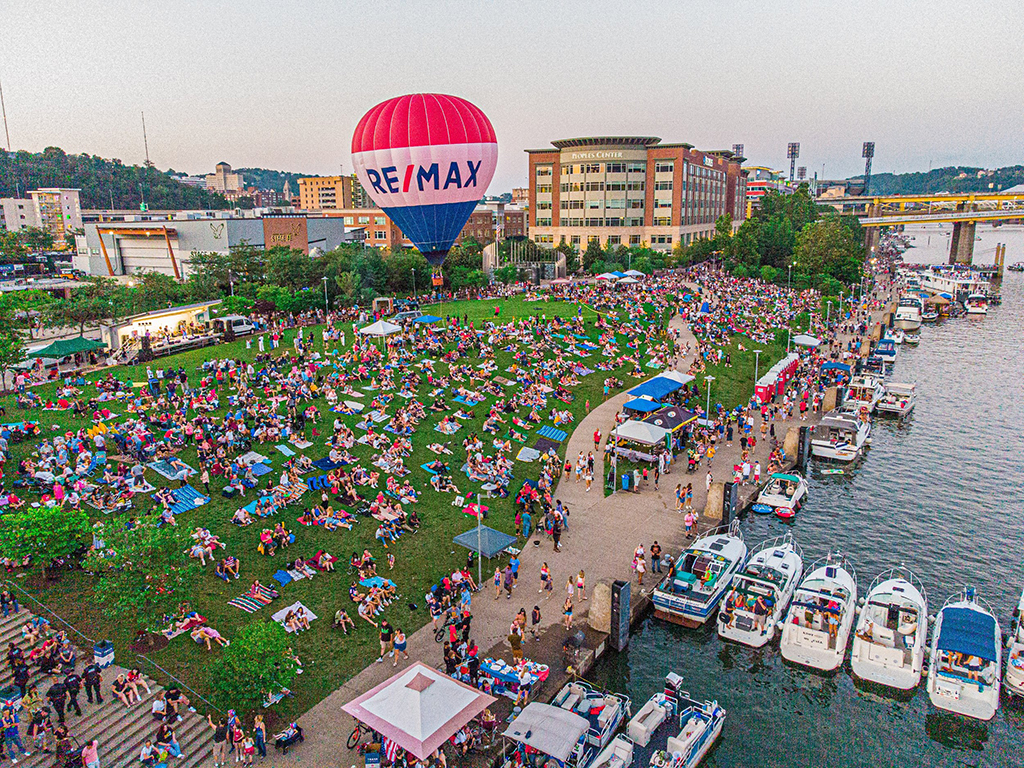
Every July 4, tens of thousands of people gather across the city of Pittsburgh, Pennsylvania, for an evening of fireworks, music and celebration. But beyond the spectacle, these moments reveal something deeper: the power of public events to strengthen community, create connection and generate lasting impact.
That perspective has guided how we’ve built our Independence Day Celebration, and it’s what recently led to the event being named the #1 July 4 Celebration in the Country in the USA Today 10Best Readers’ Choice Awards.
But the recognition isn’t just about the event itself. It reflects a model that leverages strategic partnerships and revenue generation to drive measurable community impact.
Stepping into a lead role following the 2022 event, my team and I began reimagining the celebration as both a cultural moment and a funding platform. An approach that ultimately took an event from zero to more than $350,000 in private investment over the last four years, while expanding what the event delivers for our community.
From Sponsorships to Revenue-Driven Impact
Too often, event sponsorships are transactional, focused on logos and visibility.
We took a different approach. Every sponsorship is tied to a specific, visible and measurable outcome.
One of the most impactful examples is our veterans wellness initiative. Through a strategic partnership, a sponsor not only provides funding, but also builds and activates a dedicated on-site space offering services tailored to veterans. This includes support for those who may experience PTSD during fireworks, as well as physical wellness offerings like massage therapy.
This is not just a branded activation; it is a service model embedded within the event. To date, it has supported hundreds of veterans while creating a meaningful role for the sponsor that keeps them coming back as we enter year four of the partnership.
This approach to aligning sponsorship with community outcomes has strengthened partner engagement and has been recognized within the industry, with awards highlighting both the tailored sponsorship strategy and the impact of our veteran-focused partnership model.
Lowering Barriers Through Smart Funding Strategy
This impact-centric approach has also allowed us to rethink who gets to participate.
After recognizing a need for more local food vendors, we launched a food truck program that prioritizes local, BIPOC- and women-owned businesses. This approach not only expands participation opportunities, but also broadens the pool of potential funding partners whose missions align with small business development and economic inclusion. Instead of simply presenting sponsors with a branded food and beverage area, the conversation shifts toward tangible community impact. Their investment directly supports small business owners, and by using sponsorship funding to offset vendor fees, we further reduce barriers to participation while strengthening the overall economic impact of the event.
This shift turns the event into an economic opportunity platform, not just a marketplace. As the program has expanded, so has sponsor investment, reinforcing that when partners see real impact, they grow with you.
Turning Sustainability Into a Sponsorship Asset
We’ve also approached sustainability as a funding opportunity.
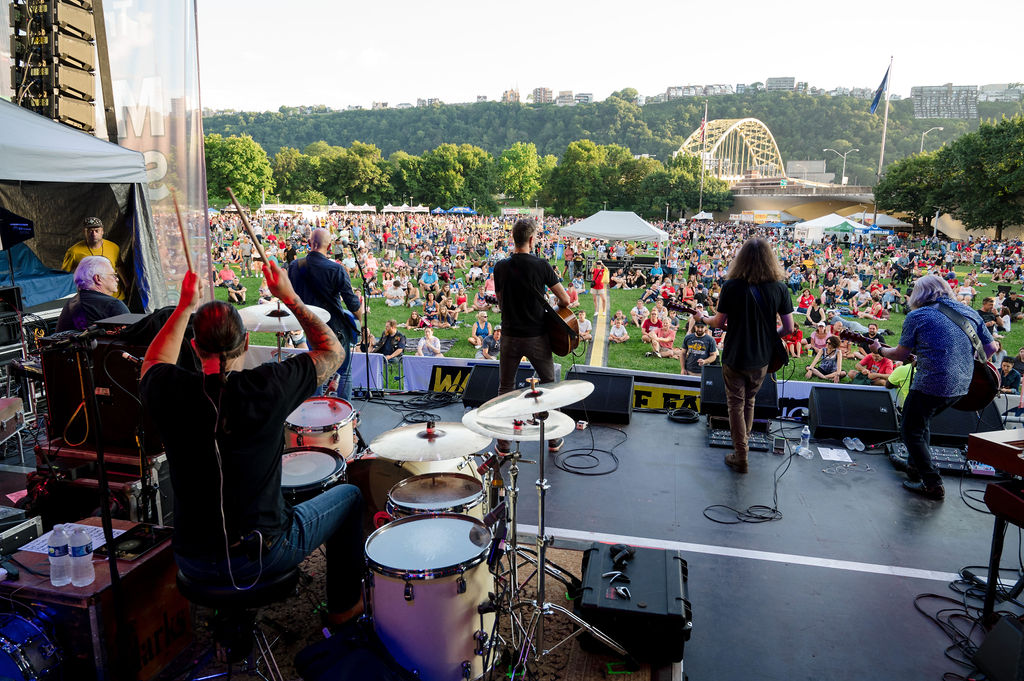
If you’re going to have a stage at your event anyway, consider solar or alternative fuels to power it. This approach opens the door to new funding opportunities including grants, foundations, and private sector support from organizations that have a commitment to sustainability. The best part about these initiatives is that they’re fully quantifiable allowing us to measure and report carbon emissions avoided compared to traditional fuel sources. This turns an operational decision into a measurable impact story for sponsors.
When you can measure it, you can fund it.
The Multiplier Effect
The result is an event that delivers on multiple levels.
Each year, the celebration generates more than $2.2 million in economic impact, supporting local businesses, attracting 30,000 – 40,000 visitors, and reinforcing the role of parks and recreation as an economic driver.
That combination of cultural relevance, measurable outcomes and community-centered partnerships recently helped earn national recognition as the #1 July 4 Celebration in the Country by USA Today readers.
Looking Ahead: Designing for the America 250 Milestone Celebration
As we look toward the upcoming United States Semiquincentennial milestone, we’re continuing to evolve the event in ways that deepen both its cultural relevance and community impact.
This year, we’re of course expanding our fireworks display and bringing in a larger headliner, but we remain focused on expanding the impact piece as well. This year we are introducing the Made Here Market, a curated space featuring American-made goods, local artisans and live demonstrations of trades like blacksmithing, glass blowing and pottery. The goal is to connect celebration with storytelling while creating new opportunities for small businesses and makers.
We will also be expanding our veterans initiative through a new Ferris wheel partnership that directly ties a major attraction to charitable giving. Our new sponsor will be presenting the “Salute to Service Ferris Wheel” in which proceeds will raise funds for a veterans nonprofit, creating another opportunity for sponsors to align entertainment, patriotism and philanthropy in a highly visible way.
Lessons for Park and Recreation Professionals
For agencies looking to strengthen both impact and revenue:
- Design sponsorships around outcomes, not assets
- Use funding to remove barriers to participation
- Build programs that reflect community values
- Measure impact to strengthen your case for investment
More Than a Celebration
At its best, a Fourth of July celebration can do more than bring people together for a single evening. It can serve as a platform for investment, inclusion and measurable community impact.
When we design events with that level of intention, we’re not just creating moments. We’re building systems that strengthen our region long after the fireworks end.
Brandon D'Alimonte is the Program Manager, Regional Asset Districts, for City of Pittsburgh Department of Parks & Recreation.